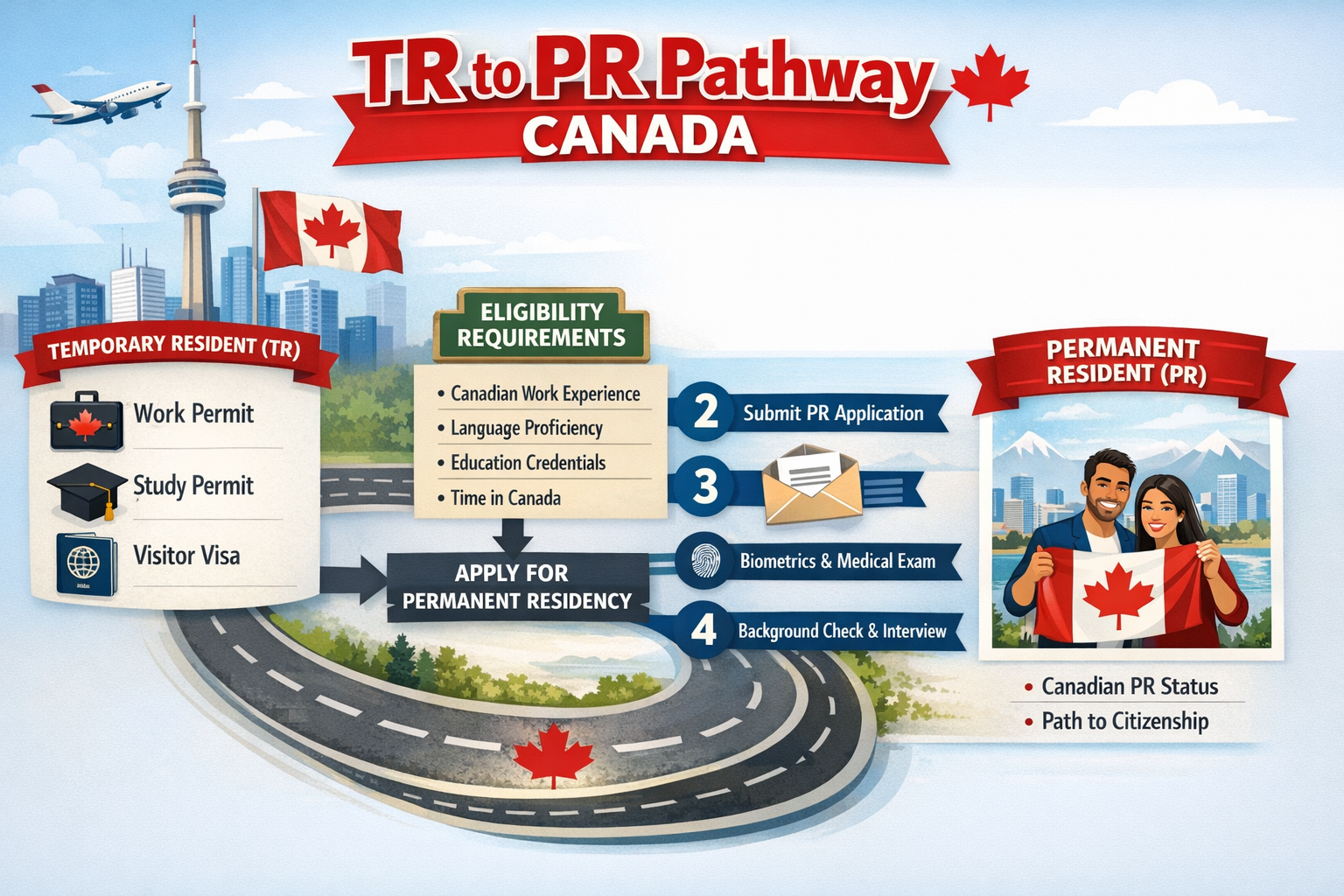
Canada Caregiver Program Options for Permanent Residence
A caregiver job offer can represent far more than employment. For many applicants, it is a chance to build a stable life in Canada while providing essential care to children, seniors, or people who need daily support. But the Canada caregiver program is not one simple application, and relying on outdated information can put an otherwise strong plan at risk.
Canada has changed its caregiver immigration pathways several times in recent years. The best approach is to understand which options are currently accepting applications, what type of work experience counts, and whether your job offer meets the program rules before you make major decisions about work, travel, or relocation.

What the Canada Caregiver Program Means Today
“Canada caregiver program” is a common phrase, but it does not refer to a single permanent immigration program. It generally describes federal pathways that allow qualified home child care providers and home support workers to pursue permanent residence.
The former Home Child Care Provider Pilot and Home Support Worker Pilot stopped accepting new applications on June 17, 2024. They should not be treated as open pathways for a new application, even though older articles and job advertisements may still mention them.
Canada later introduced the Home Care Worker Immigration Pilots. These pathways are designed for eligible workers who have a qualifying full-time job offer and meet the program’s education, language, and experience or training requirements. The pilots include separate options for home child care and home support work.
Intake periods, annual caps, and stream availability can change. At different points, Canada may prioritize applicants already working in the country, while another stream for applicants outside Canada may not yet be open or may have limited intake. That distinction matters. A person with a genuine job offer may still need to wait for the appropriate stream or consider another work permit and permanent residence strategy.
Who May Qualify for a Caregiver Pathway?
Eligibility always depends on the current instructions for the specific pilot and stream. However, applicants are generally expected to show a combination of a qualifying job offer, relevant background, language ability, and education.
A qualifying job offer is central to the application. It is usually expected to be a genuine, full-time offer in an eligible home care occupation outside Quebec. The role must reflect real caregiving duties, not a title selected only to support an immigration application. A caregiver employed to provide child care, assist an older adult at home, or support someone with a disability may qualify if the duties align with the required occupation and the employer meets the applicable rules.
Applicants may also need recent, relevant work experience or qualifying caregiver training. The required amount and type of experience can vary with the program instructions. Experience should be documented carefully through reference letters, pay records, schedules, tax documents where available, and other evidence that shows the work was genuine and paid.
Language and education are equally important. Caregiver pathways have generally required applicants to meet a minimum Canadian Language Benchmark score and to hold the equivalent of a Canadian high school diploma or higher. If your education was completed outside Canada, an Educational Credential Assessment may be needed to confirm equivalency.
A strong application does not simply meet the minimum requirements on paper. It tells a consistent story: your education, work history, job offer, and future plans should all make sense together.
Job Titles Are Less Important Than Job Duties
One of the most common problems in caregiver applications is a mismatch between the job title and the actual duties. Canadian immigration officers assess the substance of the work. A position called “caregiver” may not qualify if it is mainly housekeeping, general cleaning, or unrelated domestic work.
For child care roles, the duties should involve supervising and caring for children in a private household or eligible care setting. For home support roles, duties may include assisting a client with personal care, meal preparation, mobility, medication reminders, and day-to-day activities. The exact National Occupational Classification category and duties must match the current pilot requirements.
Employers should also be prepared to explain why they need care, how they can pay the offered wage, and what the employee’s working conditions will be. A vague offer letter or an arrangement that does not appear financially realistic can raise concerns.
Documents That Need Early Attention
Caregiver applications can take time to prepare because evidence often comes from several countries, employers, and institutions. Starting early gives you time to correct gaps rather than rushing to submit incomplete records.
The following documents commonly require the most planning:
- A detailed job offer and supporting employer documents that confirm the position, wage, hours, duties, and work location.
- Employment letters that describe your caregiver duties, dates of employment, hours worked, pay, and supervisor contact information.
- Language test results and an Educational Credential Assessment, if required for your stream.
- Identity, civil status, police clearance, and medical documents for you and eligible accompanying family members.
Documents must be accurate and consistent. For example, if a reference letter states full-time employment but your tax records or pay slips suggest limited hours, an officer may question whether the experience qualifies. If a document is not in English or French, it generally needs a proper translation that meets Canadian immigration requirements.
A Caregiver Job Offer Is Not a Guaranteed Approval
A legitimate job offer is valuable, but it is only one part of the case. Immigration officers can assess whether the job is genuine, whether the applicant meets every eligibility requirement, and whether the submitted evidence is credible.
This is especially important for applicants who pay large fees to recruiters or accept employment promises without a written contract. No one should sell a Canadian job offer as a guaranteed route to permanent residence. Be cautious if an employer will not discuss duties, wages, work hours, or living arrangements clearly, or if you are asked to provide misleading information in an application.
Caregiver work can also involve practical trade-offs. A live-in role may reduce housing costs, but it can limit privacy and make it harder to separate work time from personal time. A role in a major city may offer more services and community support, but the cost of living may be higher. Review the employment terms as carefully as you review the immigration requirements.
How to Build a Strong Caregiver Application Plan
The right strategy begins with an eligibility assessment, not a job search alone. First, identify the occupation that best reflects your actual skills and experience. Then confirm whether the relevant caregiver pilot is open to someone in your current situation, whether you are already in Canada or applying from abroad.
Next, assess the job offer before relying on it. Confirm the employer’s identity, the work location, the proposed wage, the number of hours, and the duties. Make sure the offer is not dependent on a promise that immigration rules do not support. If a Labor Market Impact Assessment, work permit, or another temporary status option is involved, the requirements may be different from the permanent residence pilot itself.
After that, organize your supporting evidence around the program criteria. Your employment history should be explained clearly, particularly if you had part-time work, multiple employers, gaps in employment, or duties that overlap with other occupations. Do not assume an officer will infer missing details from a brief letter.
Finally, prepare for change. Program caps can fill quickly, document requirements can be updated, and an incomplete submission may cause delays or refusal. A regulated Canadian immigration professional can help assess the current pathway, identify risks in the job offer or work history, and create an application plan that reflects your real circumstances.
At The Way Immigration, the focus is on replacing uncertainty with a clear, evidence-based plan. If caregiving is part of your route to Canada, take the time to confirm the program is open, your work truly qualifies, and your application is ready to support the future you are working toward.
Frances Wipf, RCIC, is recognized globally as an expert in Canadian immigration matters. She is licensed by the CICC to provide legal representation and strategic immigration insights. In practice since 2008, Fran has successfully guided thousands of clients to achieve their Canadian immigration dreams through a combination of realistic assessment, technical excellence, and honest advice.