Canada’s Caregiver Program Has New Rules – the Good, the Bad and the Ugly
The Live in Caregiver program in Canada has been replaced by a new caregiver program that provides both benefits and disadvantages to caregivers and Canadian employers. With this post, we summarize the major changes that were announced on June 18, 2019.

On June 18, 2019, Immigration Refugees and Citizenship Canada announced a new program for caregivers who want to work and live in Canada. The program is for foreign nationals who have experience in either caring for children or caring for adults who need support in their home (disabled and elderly) and who have a job offer from a Canadian employer.
With the new program, caregivers who have a job offer in Canada and who meet the
caregiver program criteria will apply for Permanent Residence and a
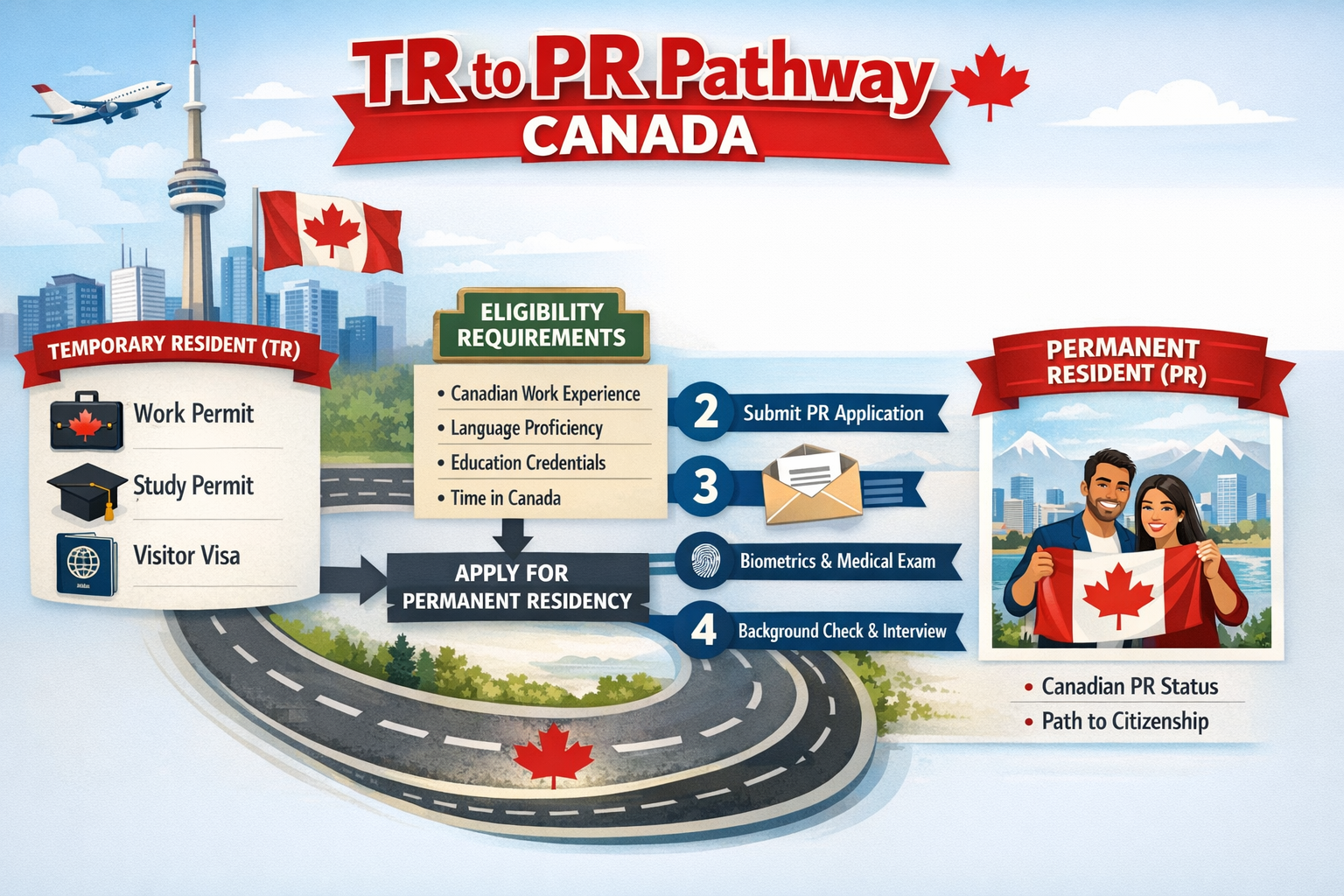
work permit from overseas. If their application is approved, they are issued a 3-year work permit and allowed to travel to Canada. Once the caregiver has completed two years of work experience inside Canada, they can then apply to have their Permanent Residence status finalized.
There are a number of significant differences in how this new process will work as compared to the former programs for Caregivers in Canada.
Canada’s Caregiver Program Requirements for Employers:
- The employer does not need a Labour Market Impact Assessment. They do need to show they have a legitimate need to hire a caregiver and enough income to pay for a caregiver’s salary.
Canada’s Caregiver Program Requirements for Overseas Caregivers:
- The caregiver requires English test results that show a minimum score of CLB 5, an Educational Credential Assessment that shows the equivalent of a 1 year Canadian post- secondary credential and the caregiver must demonstrate the ability to do the job that is offered to them in Canada
- The caregiver applies from overseas for both Permanent Residence and a work permit at the same time. The processing time is projected to take about 1 year. If approved, the caregiver will be issued a work permit that authorizes work as a caregiver in Canada, with no specific employer mentioned. The caregiver’s spouse and children can also apply for an open work permit and study permits in order to accompany the caregiver to Canada.
- The caregiver can only work in the occupation in which they have applied, either child care or adult care, but they are not tied to any specific employer.
- Once the caregiver has achieved two years of full-time work as a caregiver in Canada, they provide IRCC with proof of work experience and the caregiver’s Permanent Residence status is finalized.
Major differences between the old and new programs:
The new caregiver program aims to address the most significant criticisms of the old programs, namely that caregivers could not change employers easily and thus were at greater risk of abuse; and that it took years for caregivers to be reunited with their families in Canada.
Under this new program, caregivers can change employers without needing to get a new work permit because the work permit is issued without any specific employer mentioned, the only restriction being the type of work that the caregiver can perform. As well, spouses and children can apply to accompany the caregiver prior to the Permanent Residence application being finalized.
Although those changes benefit the caregiver, the new program itself is going to be more difficult and significantly more expensive for the caregiver to apply to. The eligibility criteria for the program has increased with higher language and education requirements than in the past, which will exclude some applicants from the outset. As well, the cost to apply to the program while the caregiver is overseas will increase substantially. Previously, caregivers only had to submit a work permit application and take a medical for themselves before being able to start work in Canada. With the new program, the caregivers need to make an application for both permanent residence and a work permit. They need to spend funds on formal language tests and educational assessments, as well as medicals and police clearances for every member of their immediate families. These are significant expenses to incur while still overseas, without any promise of approval. Further, because processing time is expected to take approximately 1 year, it is reasonable to think that some offers of employment may be rescinded during the processing time, with the caregiver then facing a refusal of their application.
Once in Canada under the new program, the caregiver does not have to live with their employer. Obviously, the cost for a caregiver to rent and furnish their own accommodation will be higher than living in a furnished room at their employer’s residence, but they will also have to take into account the cost of utilities and transportation to and from work. If the caregiver’s family is planning to also travel to Canada, the cost of overseas travel plus setting up a household in Canada is multiplied by the size of the family.
In the end, the new program does indeed address the concerns created by the previous versions of the caregiver programs in Canada. Caregivers who can afford to participate in this new program will benefit from the significant changes that have been designed into the program. However, the upfront costs to participate in the program will end up excluding a significant number of overseas caregivers who previously would have been able to establish themselves in Canada. In the process of addressing ongoing concerns, IRCC has created significant barriers to participation in the program itself.
The Way Immigration has successfully represented applicants in the caregiver program for more than a decade. Our immigration consultant Calgary would be pleased to assist you with understanding your best options to either hire a caregiver to assist your family, or to work in Canada as a caregiver.
Frances Wipf, RCIC, is recognized globally as an expert in Canadian immigration matters. She is licensed by the CICC to provide legal representation and strategic immigration insights. In practice since 2008, Fran has successfully guided thousands of clients to achieve their Canadian immigration dreams through a combination of realistic assessment, technical excellence, and honest advice.